
The Complete Guide to Utility Assistance Programs
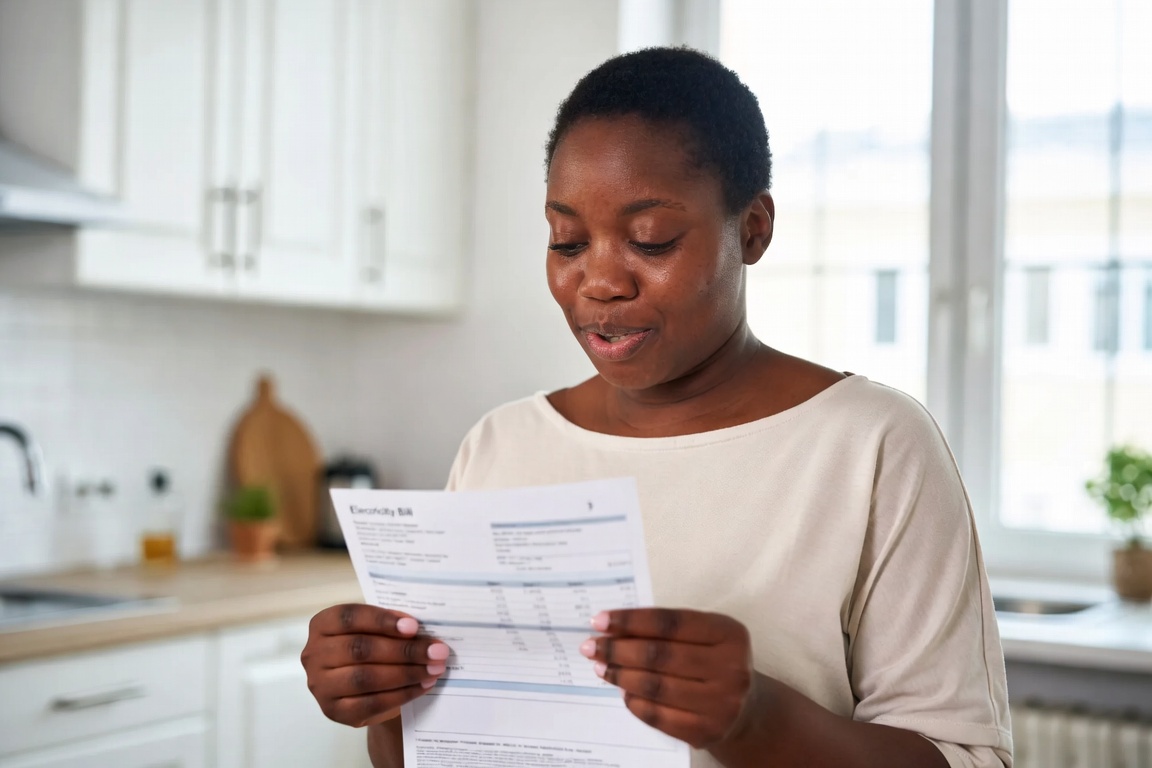
Millions of Americans qualify for utility bill assistance they never receive — because they do not know these programs exist. Here is everything you need to know.
LIHEAP: The Federal Utility Assistance Program
The Low Income Home Energy Assistance Program (LIHEAP) is a federal program that provides direct financial assistance for heating and cooling costs to qualifying low-income households. LIHEAP funds are administered by states and territories, which means eligibility criteria and benefit amounts vary by location. In most states, eligibility is based on household income — typically up to 150 percent of the federal poverty level, though some states set higher thresholds.
LIHEAP provides one-time or seasonal payments directly to utility providers on behalf of qualifying households, as well as weatherization assistance and energy conservation assistance in many states. The application process varies by state but typically requires documentation of income, household composition, and utility account information.
Utility Company Programs
Beyond LIHEAP, most utility companies — electric, gas, and water — maintain their own assistance programs for customers facing financial difficulty. These programs are less well-known than LIHEAP but can provide meaningful assistance including payment plans, forgiveness of past-due balances, budget billing programs, and direct financial assistance funded by ratepayer and corporate contributions.
The most important thing to know about utility company assistance programs: you must call and ask. These programs are not automatically applied to accounts that are behind. They are available to customers who contact their utility, explain their situation, and request available assistance. Proactive contact — before an account reaches the shutoff stage — typically provides more options than contacting after shutoff notice.
Local Supplemental Programs
Many communities have supplemental utility assistance programs operated by community organizations, faith groups, and nonprofits that can bridge gaps left by LIHEAP and utility company programs. These programs are typically smaller and more targeted, but they can be critical for households that do not qualify for larger programs or that need assistance between program application cycles. The 211 system and local Community Action Agencies are the best sources of information about these local supplemental programs.
Disclosure: This site may receive compensation when you click on links or complete offers through our partners. Content is for informational purposes only and does not constitute financial advice.